Our programs / CECI · Flagship Program
Community Environmental Champions Initiative (CECI)
Building skills. Strengthening communities. Advancing climate action.
The Community Environmental Champions Initiative (CECI) is SOEA’s flagship community-led training and development program, connecting practical skills, rights, environmental action and livelihood opportunities across our six cross-cutting thematic areas. Each project adapts a shared approach—community grounding, assessment, co-design, capability development, practical application, market connections and continued learning—to the needs of a particular community or sector. Through CECI, we aim to equip community champions to strengthen their livelihoods, advocate for their interests and sustain practical climate solutions.
01 / Projects under CECI
One champions approach, adapted project by project.
First flagship project · Underway
WP-LIFT
Waste Pickers’ Livelihood Improvement for Transformation
Co-developing a practical training and livelihood pathway with waste pickers in Dandora and Mathare, Nairobi County.
Read about WP-LIFT
Developing project · Concept in development
JEET Champions
Just Energy and Equitable Transition Champions
Widening participation in renewable energy and electric mobility, starting with women in boda boda and passenger transport.
Read about JEET Champions
02 / First flagship project
WP-LIFT
Waste Pickers’ Livelihood Improvement for Transformation
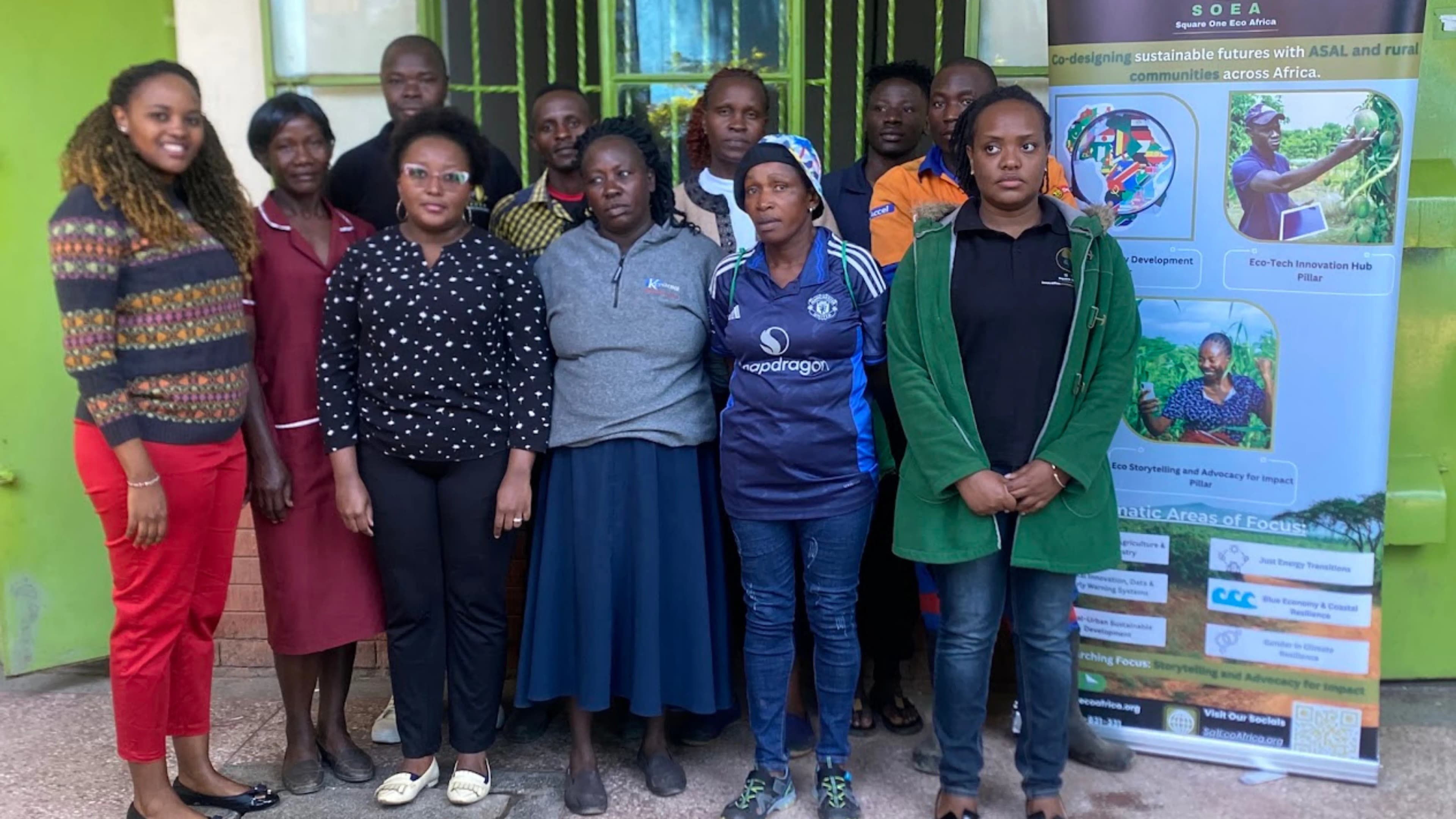
WP-LIFT — Waste Pickers’ Livelihood Improvement for Transformation — is the first flagship project under CECI, already underway through community engagement and evidence gathering in Dandora and Mathare, Nairobi County. Building on community listening, baseline assessments and the inaugural Waste Pickers Super Day, WP-LIFT co-develops a practical training and livelihood pathway with waste pickers, local stakeholders and technical partners. Its evolving design brings together five material-based specializations, occupational health and safety, legal rights advocacy, financial literacy, entrepreneurship, social skills, leadership and market opportunities. The long-term ambition is stronger community agency, improved livelihoods, safer working conditions and solutions waste pickers can continue to lead and grow.
Proposed first cohort
30
Community champions
Where
Dandora and Mathare, Nairobi County
Current focus
Curriculum co-design & partnerships · October 2026 – March 2027
See the project journey →
Featured WP-LIFT story
From the Ground Up: The CECI Journey
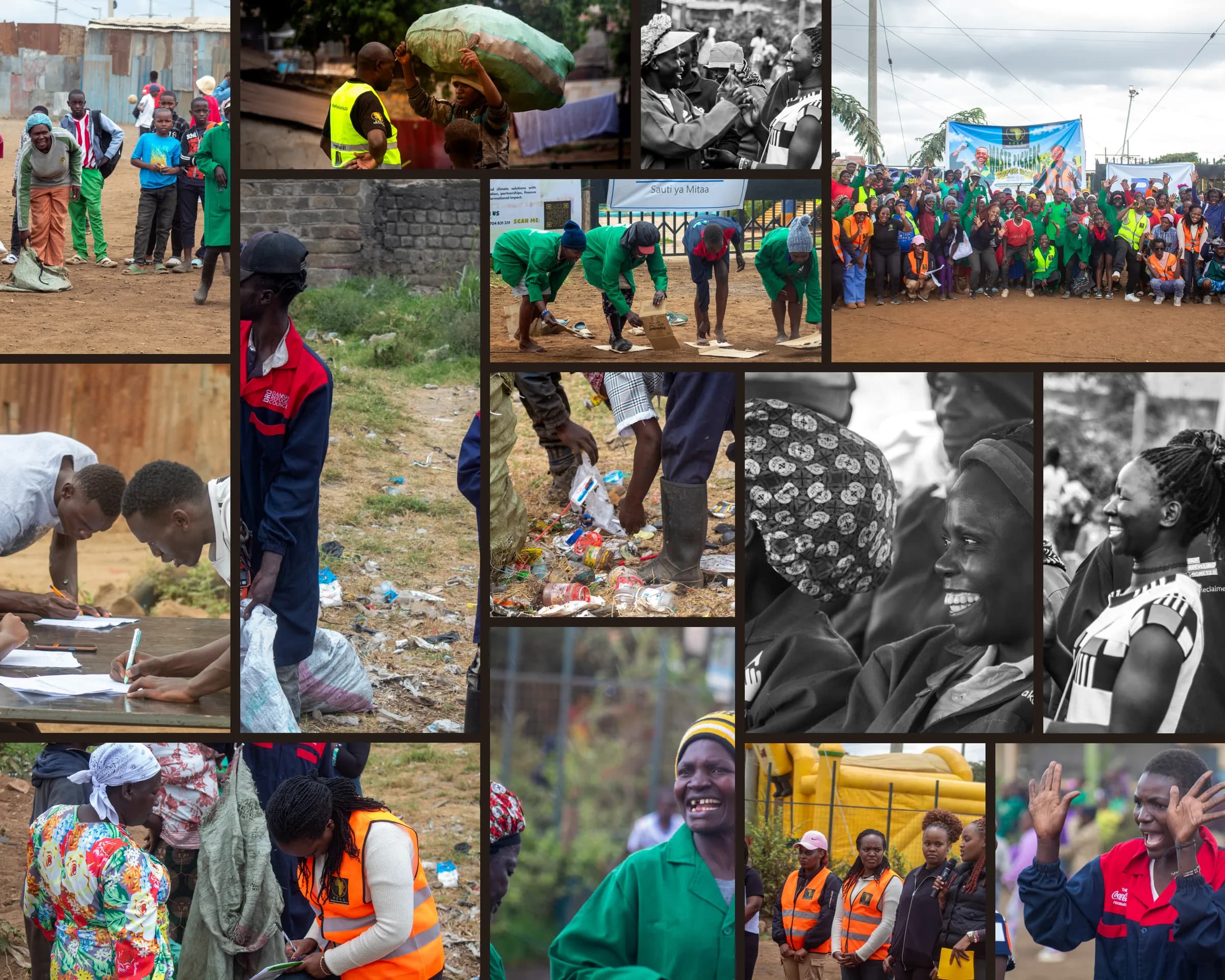
How WP-LIFT began: listening to waste pickers in Dandora and Mathare, gathering baseline evidence, presenting findings to Nairobi City County, and coming together for the first Waste Pickers Super Day.
03 / The WP-LIFT journey
What we have done, what is taking shape, and what comes next.
Completed
Underway
Coming up
Planned
Phase 0
Completed
Planning, community grounding & evidence
2026 · Completed
Engagement and baseline assessment in Dandora and Mathare, survey and community sampling, analysis of responses, and presentation and discussion of the findings with stakeholders including Nairobi City County Government. Design priorities identified.
Phase 0 milestone
Completed
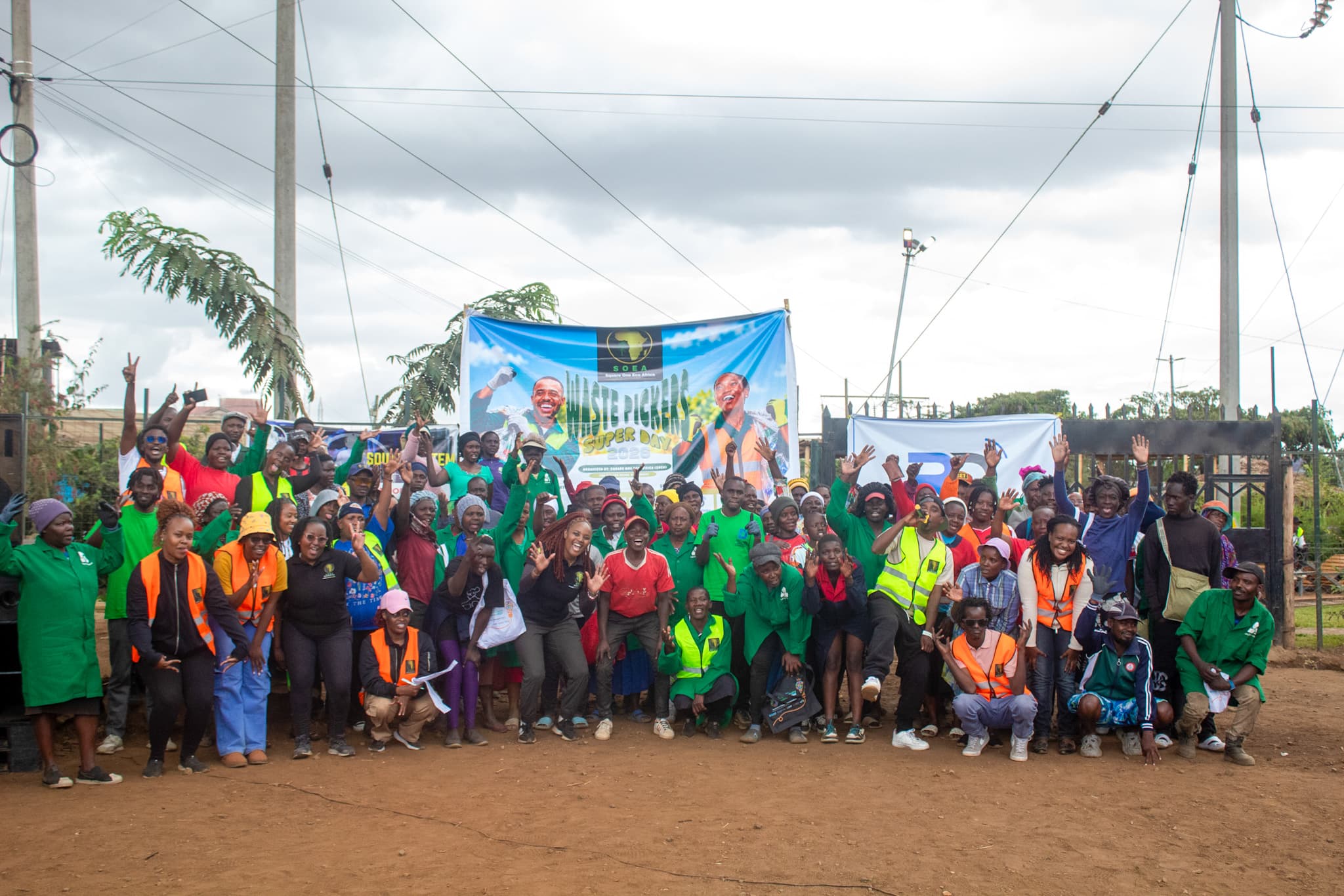
Waste Pickers Super Day
10 October 2026 · Completed
The inaugural Waste Pickers Super Day at Dandora Community Park brought together more than 80 waste pickers for games, group activities, a segregation challenge and community dialogue. Planned as an annual event every 10 October, subject to planning.
What’s next
Coming up
Public introduction: CECI “What’s Next?” LinkedIn Live
26 November 2026
Introducing the program’s journey and the proposed WP-LIFT pathway, and inviting ideas and partners.
Phase 1
Underway
Curriculum co-design & partnerships
October 2026 – March 2027 · Planned window
Convene a technical working group; validate needs and specializations with waste pickers, trainers and market partners; create the core and specialized curriculum, the assessment and certification approach, cohort readiness and delivery partnerships.
Phase 2
Planned
Cohort training
Planned · 3–4 months
Recruit and train the first proposed 30 champions, delivering core learning and the five specialized pathways with practical demonstration.
Phase 3
Planned
Practical application and market linkages
Planned
Support practice, demonstration, exposure to buyers, circular enterprises, financial services, mentorship and income-generating opportunities.
Phase 4
Planned
Follow-through, learning and expansion
Planned
Measure participant progress and livelihoods, document outcomes and lessons, and support community adoption, replication and scaling where evidence, community priorities and resources support them.
04 / Five specialized pathways
Learning through practical, material-based pathways.
WP-LIFT’s evolving design brings together five material-based specializations, taught with safe waste-handling practices and alongside the core training below.
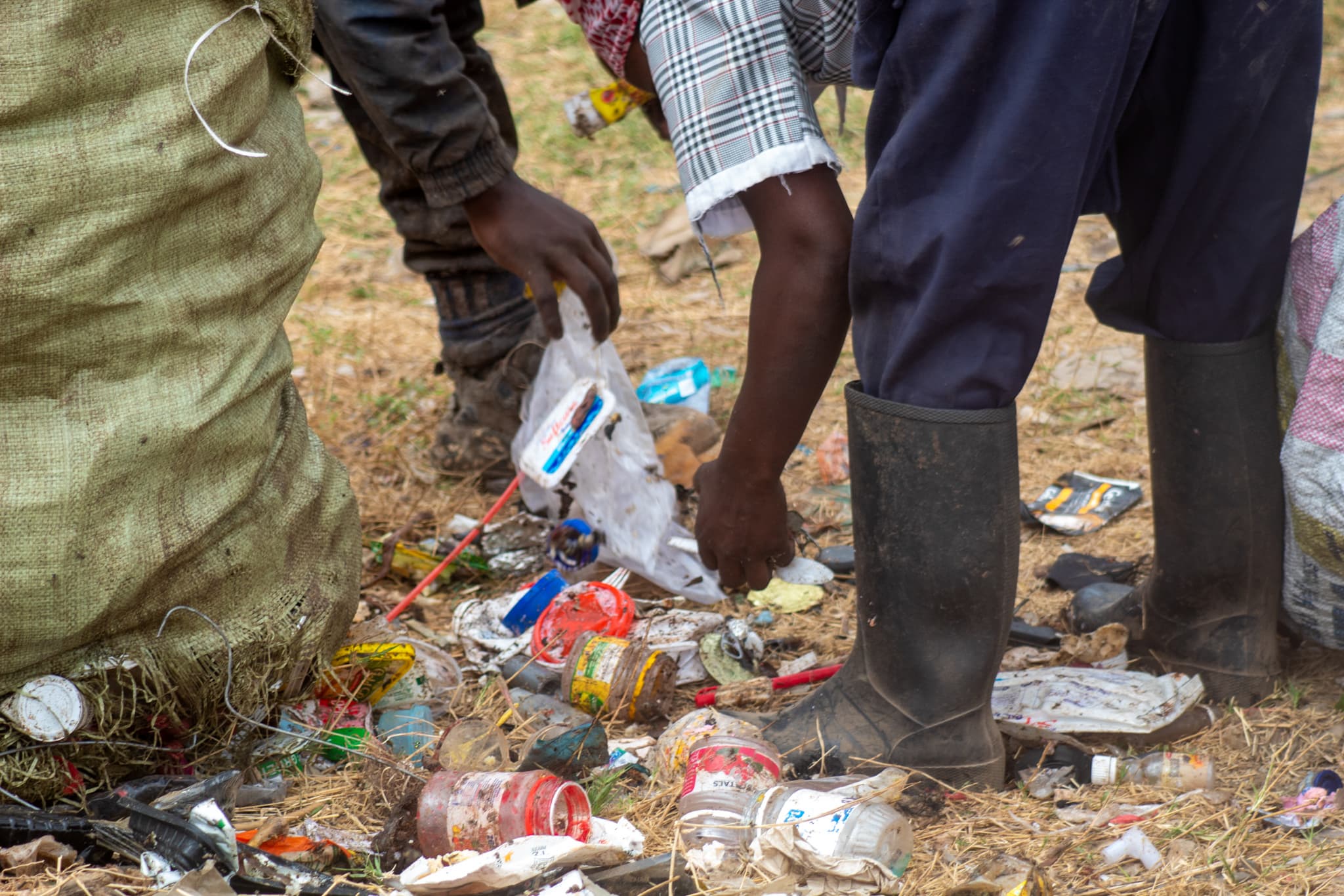
PATHWAY 01
Organic Waste & Composting
Explore safe organic waste separation, composting and value creation through soil-improving products and related circular enterprises.
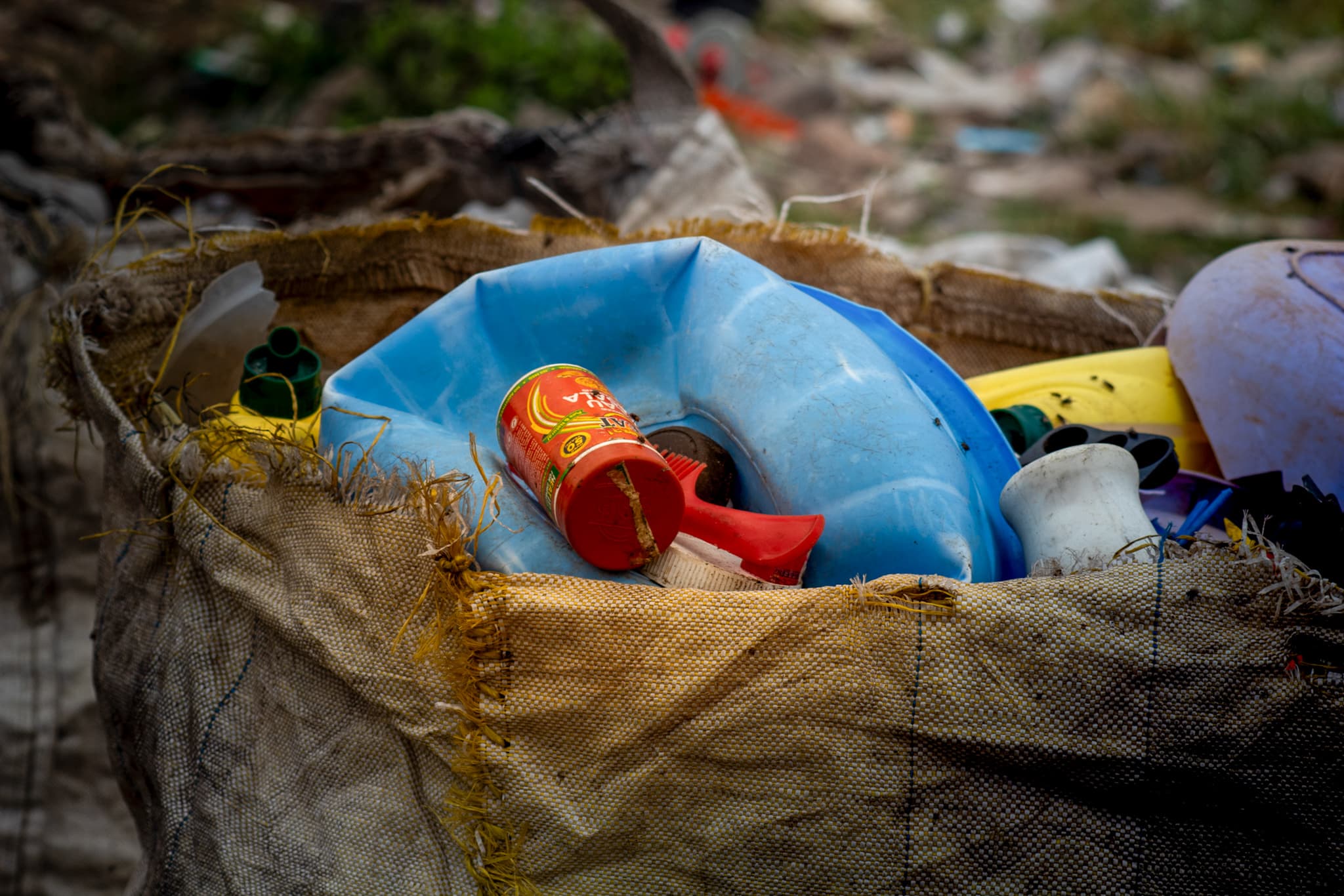
PATHWAY 02
Plastic Recycling & Upcycling
Build skills in sorting, grading, safe recovery, processing and product innovation, alongside practical market and buyer connections.

PATHWAY 03
Glass Recovery & Cutting
Develop safe glass handling, cutting and reuse skills, considering protective equipment, product quality and appropriate markets.

PATHWAY 04
E-Waste Management
Strengthen awareness of safe collection, sorting, handling and referral to appropriate licensed recyclers, protecting people and the environment while exploring viable livelihood opportunities.
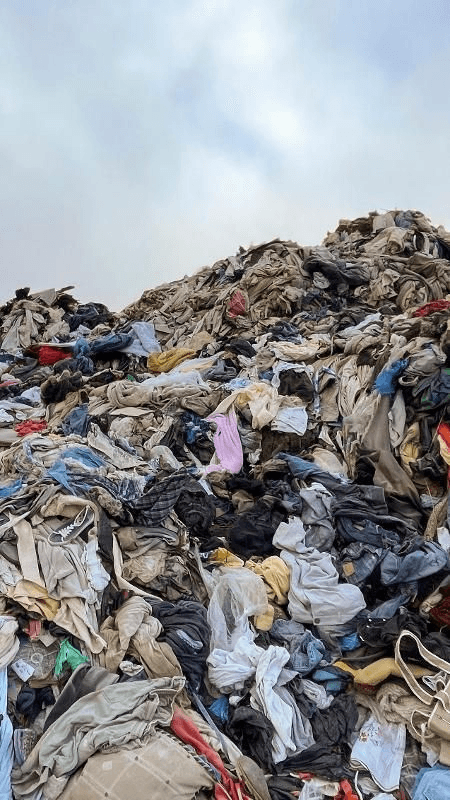
PATHWAY 05
Textile Recovery & Upcycling
Work with recovered fabrics and garments to build practical repair, redesign, reuse and product-development skills connected to market demand.
05 / Core training
Eight cross-cutting learning areas.
Core training that every participant takes alongside the five specializations.
01
Community leadership and environmental stewardship
02
Life skills, communication and digital literacy
03
Financial literacy, savings and enterprise development
04
Legal rights, paralegal awareness and access to justice
05
Occupational health, safety and risk management
06
Gender equality, inclusion and safeguarding
07
Climate action and environmental resilience
08
Market access, mentorship and livelihood development
06 / Guided by the people
Shaped by the people it serves.
WP-LIFT is shaped by the priorities and lived experience of waste pickers in Dandora and Mathare. Guided by community evidence and strengthened through collaboration with technical institutions, enterprises, partners and local stakeholders, the project is building a pathway for safer work, useful skills, stronger market participation and lasting livelihood opportunities.
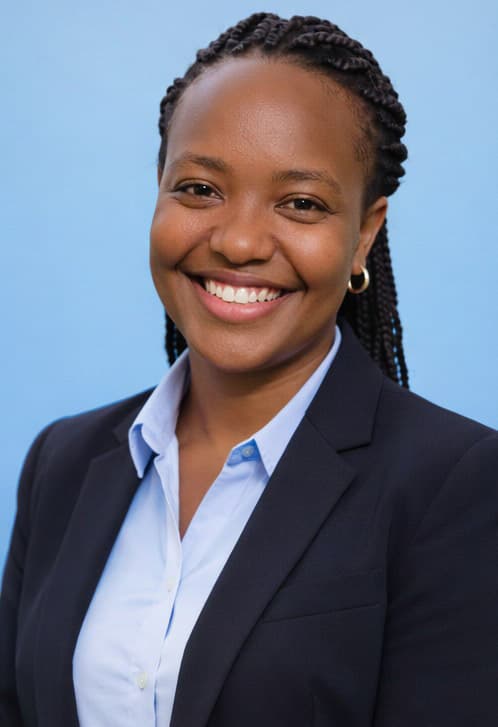
Project lead
Stephanie Ndiritu
Project Lead — WP-LIFT (under CECI)
s.ndiritu@sq1ecoafrica.org · Profile
07 / Developing project under CECI
JEET Champions
Just Energy and Equitable Transition Champions
JEET Champions is an emerging project under the Community Environmental Champions Initiative, using SOEA’s community-led training methodology to widen participation in renewable energy and electric mobility. Its initial electric mobility pathway will prioritize women, while including youth and persons with disabilities, and explore opportunities connected to ride-hailing, passenger vehicles and boda boda transport. Participants will build practical knowledge, confidence, advocacy skills and understanding of the livelihood and enterprise opportunities linked to cleaner mobility. The project will also promote informed community engagement with renewable energy solutions and the economic possibilities they can create.
Green Mobility Champions pathway
Pilot in Nairobi, with potential adaptation to Kajiado and later scale-up in Isiolo
An approved summary of the concept note will be linked here once available.

Project lead
Chika Atueyi
Project Lead — JEET Champions (under CECI)
c.atueyi@sq1ecoafrica.org · Profile
08 / Partnerships
Help shape the WP-LIFT curriculum.
We welcome training institutions, technical experts, community organizations, circular economy actors and funding partners who can contribute to curriculum co-design, practical skills, certification, mentorship and livelihood opportunities.
WP-LIFT curriculum co-design & partnerships